
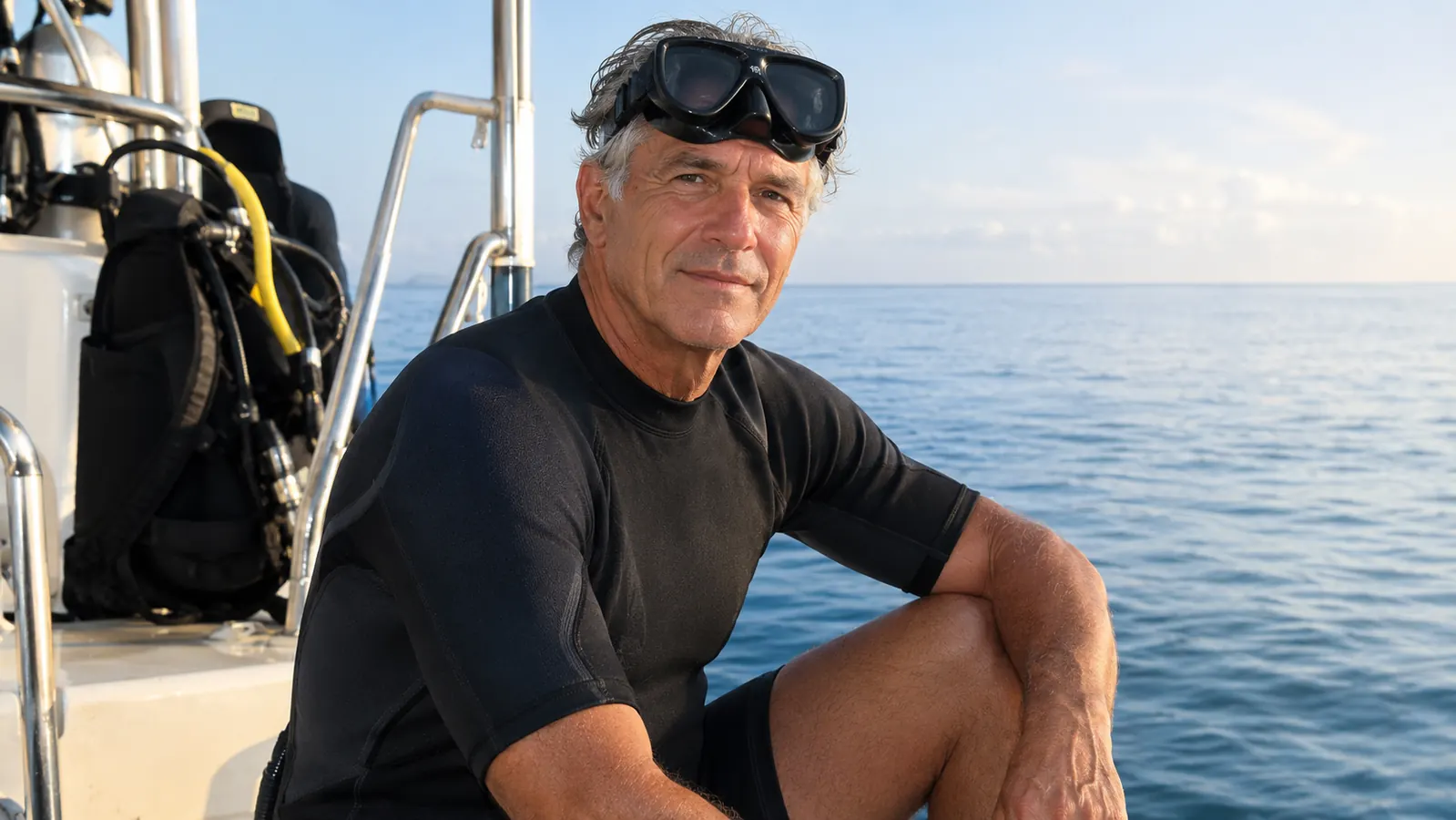
I bought my Cressi Matrix about three years ago because the mask I had before it kept seeping at my right cheek. Six years with a single big window, and about twenty minutes into every dive I would feel that cold trickle start. I would clear it, it would come back, and I would spend the rest of the dive thinking about the mask instead of the bottom.
Three years and roughly 180 dives later, it is still the mask I reach for, on charter boats out of Tavernier and on shore entries, and it has not leaked apart from the odd seep when a strand of hair gets under the skirt. The low volume design is the reason. Not because it is clever, but because a low volume mask changes a handful of small things you do a hundred times a dive. Here is the list, in the order I noticed them.
The mask I have not had to think about in three years
Cressi Matrix. Two lenses, extremely low internal volume, soft silicone skirt, 6.4 ounces. Mine has about 180 dives on it and one strap adjustment to its name.
Amazon Check today's price on Amazon →Ten Things a Low Volume Mask Actually Changes
Less air inside means one breath clears it, not three
The listing calls the internal volume extremely low, on par with the best freediving masks, and that matches what my face tells me. A mask that holds a lot of air needs a big exhale through the nose to push water out. This one holds so little that one short breath does it. My old mask took two or three. Over a 45 minute dive that difference is small on paper and plain as day in the water. I will not tell you it fixes anything about your ears or your sinuses, because it does not. It just means less air to clear.
The downward view puts your gauges in frame without tilting your head
The lenses are inclined and inverted tear drops, which is Cressi's patented shape, US 6272693, not a phrase I invented. In practice I read my console and my computer by dropping my eyes, not my whole head. On a safety stop I am not tilting back and letting water creep under the seal. On a sand hunt I can see the bottom a couple of feet ahead while my head stays level. You will use it a hundred times a dive and never think about it, which is the point.
A wide lateral view when your buddy is an arm's length away
The listing says the field of view is wide laterally and in the lower zone. Water off Tavernier is not always clear. At 60 feet on a green day your buddy can be right beside you and out of frame in a narrow mask. In this one I catch the hand signal without turning my head. That is worth more to me than any line on a spec sheet, and you only notice it when you go back to a narrower mask for a single dive.
The silicone skirt seals on the first try
The skirt is hypoallergenic soft silicone with a wide sealing surface, and the seal decides whether you have a good dive. I am clean shaven, which helps, and I check for hair under the edge before every dive, which helps more. The first dive with it was a two tank charter. It took one strap adjustment between the tanks and nothing since. Tight straps cause leaks, so I keep mine snug across the crown of my head and leave it alone.
One strap adjustment in three years, then you forget it exists
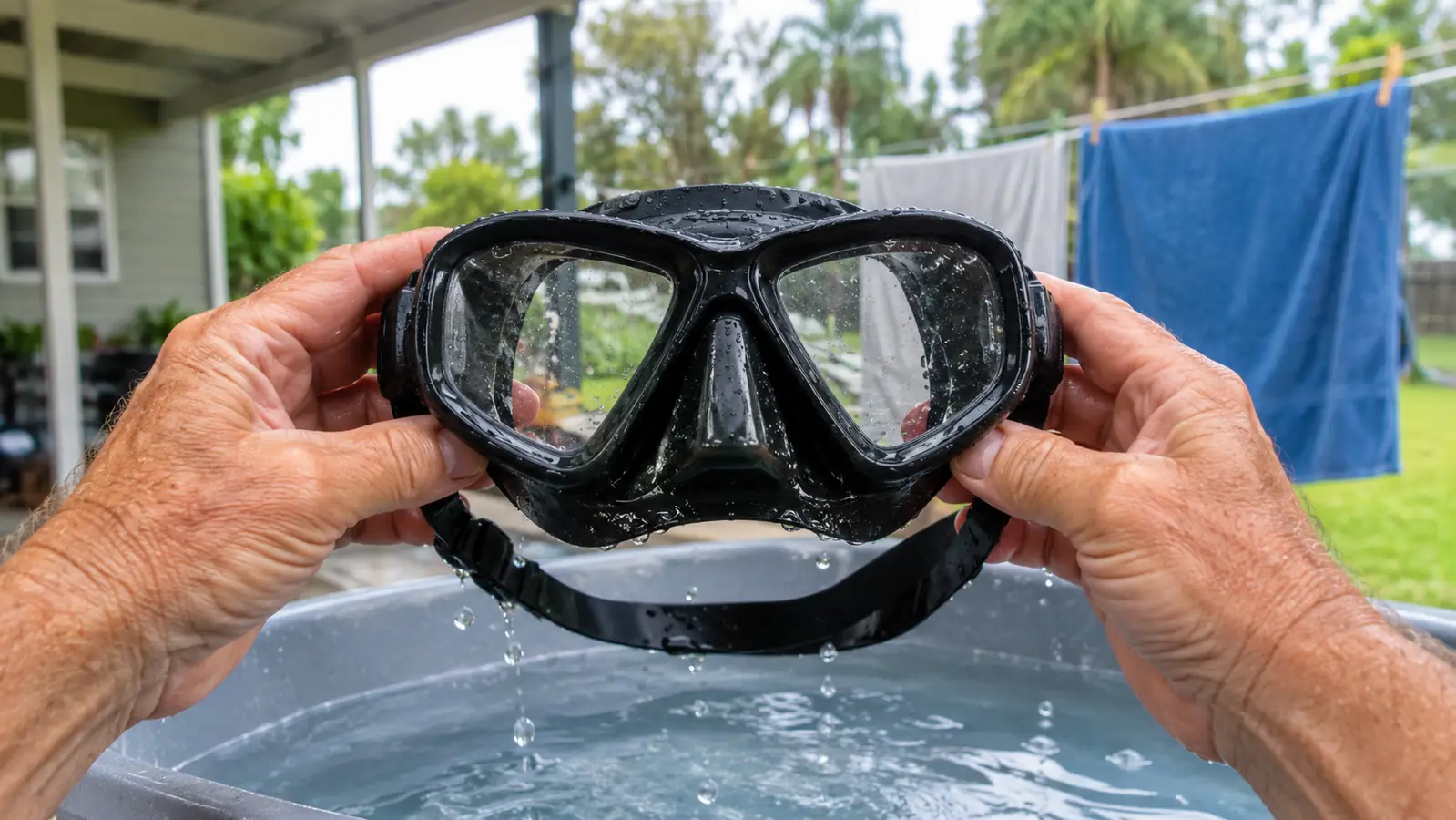
The strap is adjustable and the closure is a buckle. On my mask it has not moved since that first charter. Nothing about the buckles has given me trouble, and three years of salt water and rinsing at the carport tub has not changed that. Compare it to a strap that slips a notch mid dive and lets the skirt lift at your cheek. I have owned that mask. I did not keep it.
It sits close to your face, which matters when you are digging
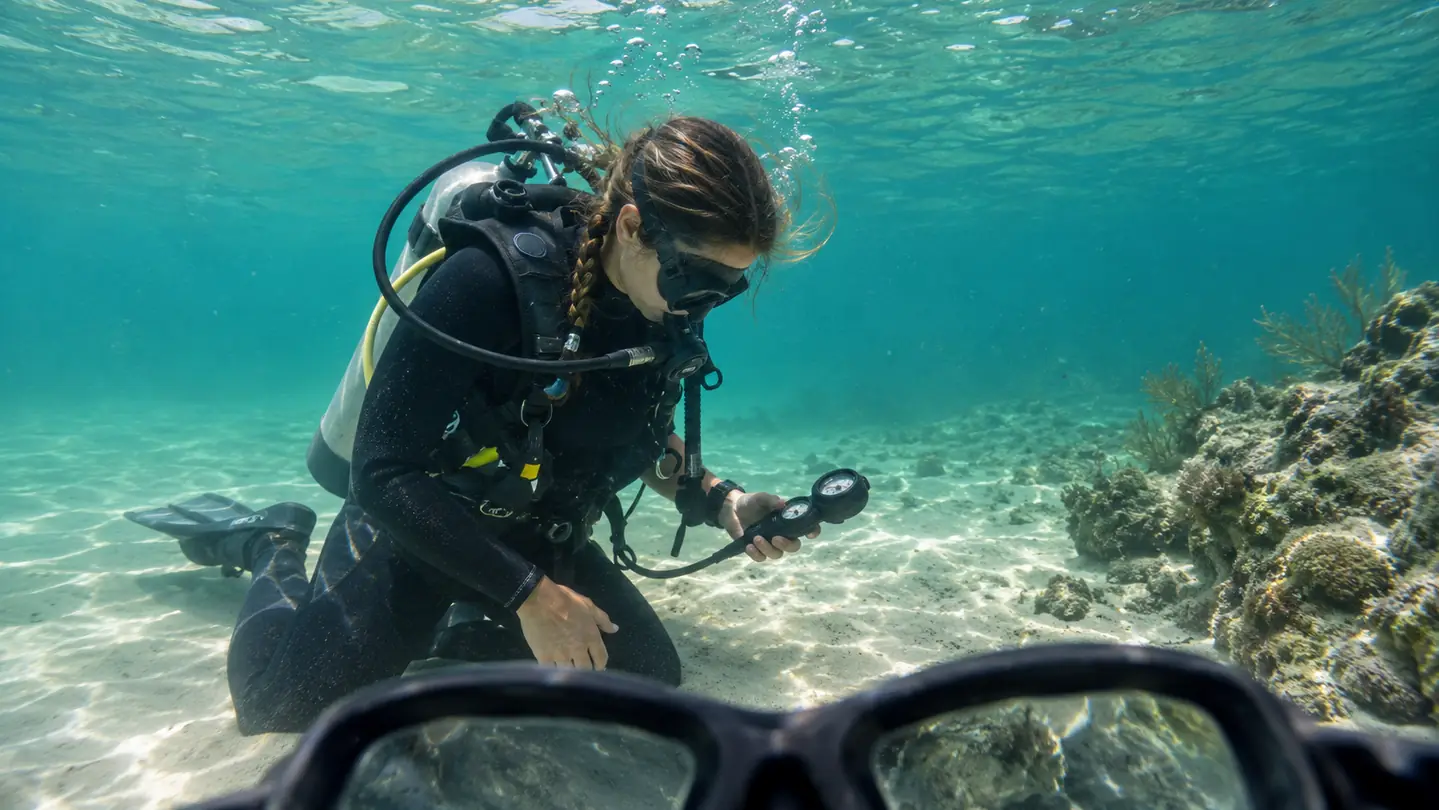
I have hunted lost metal for five years, and when you are kneeling on sand at 20 feet fanning a hole with one hand, the mask stays on your face the whole time. You never take it off underwater. This Cressi sits close, so there is less of it out front where a swinging arm can catch it, and the downward view keeps the hole in sight while I dig. On hunts past 20 feet, this is the mask I wear.
6.4 ounces is a number you feel on the third dive of the day
Six point four ounces per the listing. On the first dive of the morning that figure means nothing. By the third dive, with a hood on and a strap across your head, the lighter mask is the one you are glad you brought. My spare mask feels a little heavier on the face. I have not weighed either one on a scale, so that is the listing figure I am quoting, but the difference in feel lines up with it.
A silicone frame and two windows survive a gear bag
The frame material is silicone, and the mask carries two lenses in two separate windows instead of one big one. Mine rides in my mesh bag rolled in a towel, no hard case, and it has gone on every charter dive and every shore scuba dive for three years. When I rinse it at the carport tub I check the skirt for nicks, and that is the whole maintenance routine. No cracks, no clouding, nothing to report.
Made in Italy, with spare parts listed for two years
The title says made in Italy. The listing also gives a two year window for spare part availability and a two year limited warranty. I have not needed either. Three years in, nothing has failed, so treat the warranty as a backstop rather than a reason to buy. What I would say is this. A mask is the one piece of gear you cannot finish a dive without. One that seeps can cost you a whole day on the water.
It is listed for freediving as well as scuba, and that tells you something
Sport type on the listing is freediving and scuba diving. I only dive scuba, inside recreational limits, 20 to 60 feet, and I have never pushed past 100. What the freediving listing tells me is that the internal volume is small enough that a breath hold diver would tolerate it, and that is a fair sign of how little air sits in there. For an ordinary recreational diver it means the mask is never the reason you cut a dive short.
What I'd Skip
I would skip the hard case. Mine has lived rolled in a towel in a mesh bag for three years and it has been fine. I would skip the defog sprays and the little bottles they sell at the shop counter, because a drop of mild dish soap and a fresh water rinse does the same job. I would skip prescription lenses, since I do not wear glasses in the water and never have. I would skip any claim that a mask helps your ears or your sinuses, because it does not. And if the mask you own already seals, I would skip this one until that seal fails.
The first dive with it was a two tank charter. It took one strap adjustment between the tanks, and nothing since.
Three years, 180 dives, one strap adjustment
If your current mask seeps at the cheek or takes three breaths to clear, this is the fix I landed on. Two lenses, low internal volume, soft silicone skirt, 6.4 ounces, two year limited warranty.
Amazon Check today's price on Amazon →